A recent health scare involving a hantavirus cruise ship WHO update has raised global concerns after the World Health Organization (WHO) issued an official advisory regarding potential exposure aboard a major cruise liner. The alert follows confirmed cases linked to passengers who developed symptoms consistent with hantavirus pulmonary syndrome (HPS) after disembarking from a voyage in Southeast Asia. Health authorities are now working closely with cruise operators and international partners to contain any further spread and ensure passenger safety.
The WHO confirmed that the affected individuals had traveled on a cruise departing from Singapore, with stops in Vietnam, Thailand, and Malaysia. While the virus is rare, it can be life-threatening if not treated promptly. This incident marks one of the first documented clusters of hantavirus cases associated with a cruise ship, prompting heightened surveillance and public health measures across multiple countries.

What Is Hantavirus and How Is It Spread?
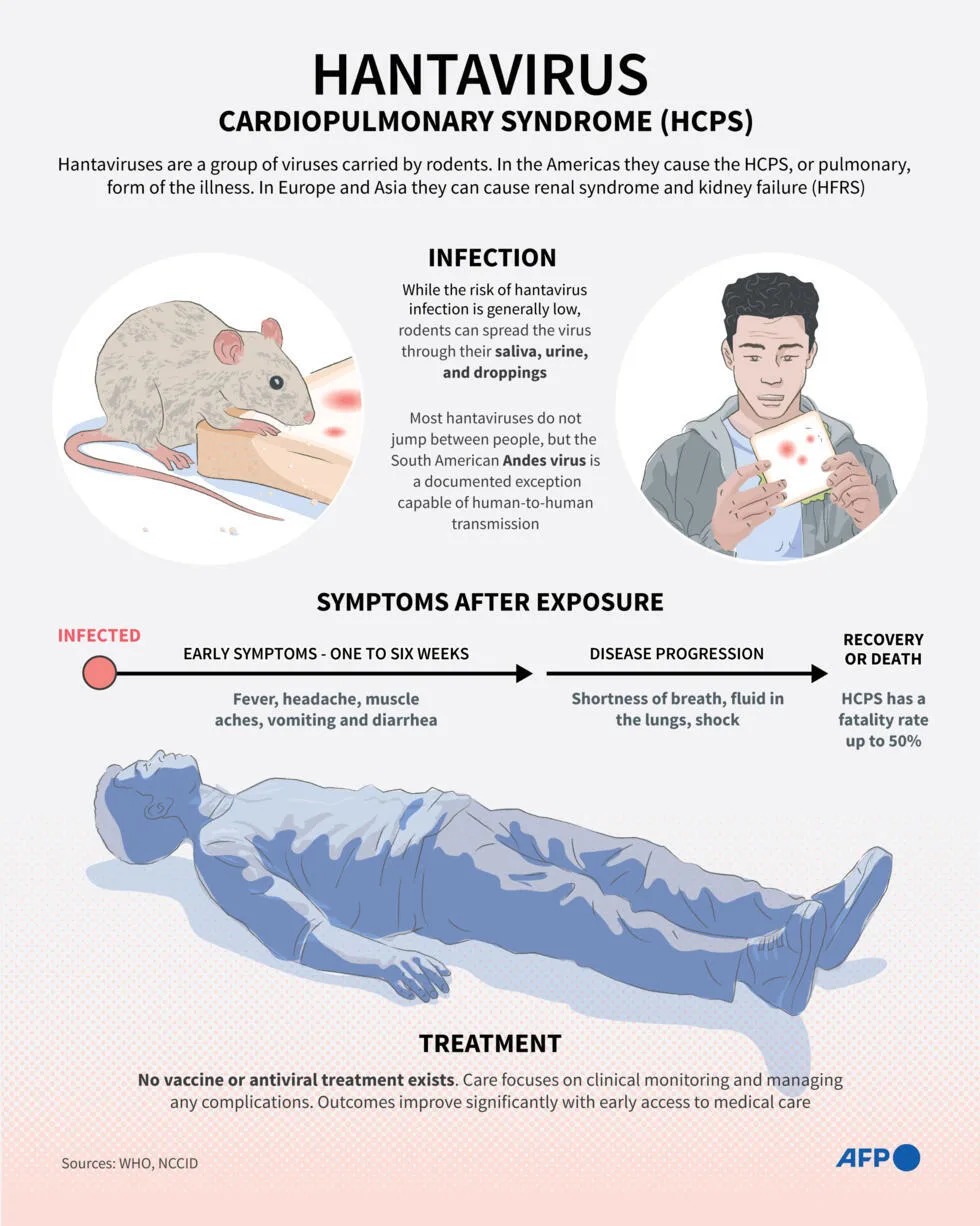
Hantavirus is a family of viruses primarily transmitted to humans through contact with rodent urine, droppings, or saliva. Unlike many respiratory viruses, it is not spread from person to person under normal circumstances. Instead, infection typically occurs when individuals inhale aerosolized particles from contaminated rodent excrement—especially in enclosed spaces like cabins, storage areas, or poorly ventilated rooms.
On cruise ships, where hundreds of passengers share close quarters, the risk of exposure increases if rodent infestations go undetected. The WHO emphasizes that while hantavirus is uncommon in maritime environments, the confined nature of cruise vessels can amplify transmission risks if sanitation and pest control protocols are not rigorously maintained.
Common Symptoms of Hantavirus Infection
- Early flu-like symptoms: fever, muscle aches, fatigue
- Respiratory distress: shortness of breath, coughing
- Progression to hantavirus pulmonary syndrome (HPS) within days
- Low blood pressure and reduced heart function in severe cases
Symptoms usually appear 1–8 weeks after exposure, making early detection challenging. The fatality rate for HPS can reach up to 40%, underscoring the importance of rapid diagnosis and medical intervention.
WHO’s Response to the Cruise Ship Outbreak
In response to the confirmed cases, the WHO activated its Incident Management System and deployed a team of epidemiologists to assist local health authorities. The organization has issued interim guidance for cruise lines, recommending enhanced rodent control, thorough cabin inspections, and improved ventilation systems in passenger areas.
The WHO also urged all passengers who traveled on the affected cruise between March 10 and March 24, 2024, to monitor their health closely and seek immediate medical attention if symptoms develop. Contact tracing efforts are underway, with national health agencies in the U.S., Canada, Australia, and several European countries notified of potential exposures.
Key Measures Implemented by Cruise Operators
- Mandatory pest inspections before and during voyages
- Deep-cleaning of cabins and common areas with disinfectants effective against hantavirus
- Staff training on recognizing signs of rodent activity
- Distribution of health advisories to all passengers and crew
Major cruise lines, including Carnival, Royal Caribbean, and MSC Cruises, have pledged full cooperation with health authorities and are reviewing their biosecurity protocols.
How Travelers Can Protect Themselves
While the risk of contracting hantavirus on a cruise remains low, travelers can take proactive steps to minimize exposure. The WHO recommends avoiding areas with visible rodent droppings, sealing food in airtight containers, and reporting any signs of pests to ship staff immediately.
Passengers should also practice good hand hygiene, especially before eating or touching their face. If staying in port-side accommodations, particularly in rural or forested regions, it’s wise to inspect rooms for signs of rodents and use elevated sleeping platforms when possible.
Travel Health Tips to Prevent Hantavirus Exposure
- Avoid sweeping or vacuuming dry droppings—use wet cleaning methods
- Wear gloves and a mask when cleaning potentially contaminated areas
- Ventilate enclosed spaces before entering
- Seek medical care immediately if flu-like symptoms appear after travel
Travelers with underlying respiratory conditions or weakened immune systems should consult their healthcare provider before embarking on cruises to high-risk regions.
Global Health Surveillance and Future Preparedness
The hantavirus cruise ship incident has highlighted gaps in maritime health surveillance. The WHO is now advocating for standardized international protocols for pest control and disease reporting on passenger vessels. Enhanced collaboration between port health authorities, cruise operators, and global health networks is essential to prevent future outbreaks.
Ongoing research into hantavirus strains found in Southeast Asia may also inform vaccine development and early diagnostic tools. While no vaccine is currently available, public awareness and rapid response remain the best defenses.
Key Takeaways
- The WHO has issued a health alert following hantavirus cases linked to a cruise ship in Southeast Asia.
- Hantavirus is spread through rodent excrement and can lead to severe respiratory illness.
- Cruise lines are implementing stricter sanitation and pest control measures.
- Passengers should monitor their health and report symptoms promptly.
- Global health agencies are strengthening surveillance and response protocols.
FAQ
Can hantavirus spread from person to person on a cruise ship?
No, hantavirus is not known to spread between humans through casual contact. Transmission occurs only through direct or indirect exposure to infected rodents or their waste.
Should I cancel my upcoming cruise due to the hantavirus alert?
Current evidence suggests the risk remains very low. The WHO has not issued travel restrictions. However, travelers should stay informed, follow hygiene guidelines, and consult their doctor if concerned.
What should I do if I was on the affected cruise and feel unwell?
Seek medical attention immediately and inform your healthcare provider about your travel history. Early treatment can significantly improve outcomes for hantavirus infection.
Stay informed with the latest updates from the World Health Organization and your national health authority. For real-time alerts, visit who.int.