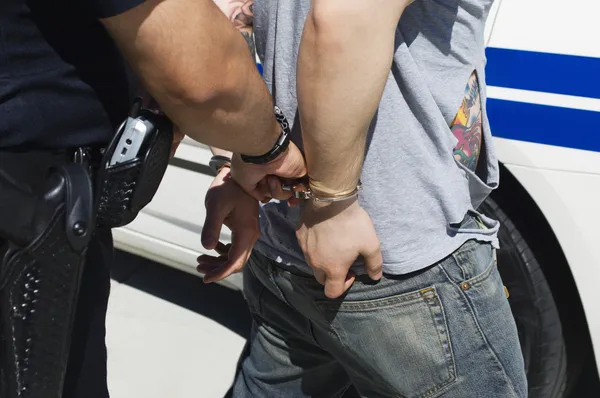
The UAE arrests interception videos suspects following a major crackdown on digital misinformation and the unauthorized sharing of military operations. In March 2026, the UAE Public Prosecution ordered the immediate detention of 10 individuals from various nationalities. Consequently, authorities referred these suspects for an urgent trial after monitoring digital platforms for fabricated footage. These videos used advanced Artificial Intelligence (AI) to simulate explosions at major national landmarks, creating widespread public alarm.
As the United Arab Emirates navigates a sensitive regional security period, the government has reiterated its zero-tolerance policy toward content that threatens national stability. Therefore, the spread of “viral” videos—even those containing real footage of air defense interceptions—now falls under strict regulation. The goal is to prevent psychological warfare and stop the accidental exposure of national defensive capabilities to hostile entities.
The Nature of the Offense: Analyzing the UAE Arrests Interception Videos Case
The investigation by the Federal Prosecution for Combating Rumours and Cybercrimes revealed that the misinformation was not a simple mistake. Instead, the suspects allegedly curated a specific mix of media designed to incite public anxiety. This UAE arrests interception videos case highlights how modern technology can be weaponized against a nation’s peace.
1. Unauthorized Sharing of Authentic Interception Clips
Several individuals were detained because they published real-time footage of UAE air defense systems successfully intercepting aerial threats. Although these videos confirmed the effectiveness of the nation’s defenses, their public distribution is a criminal offense.
Tactical Risk: Such videos reveal the exact coordinates of defensive batteries and the response times of the UAE Armed Forces.
Hostile Intelligence: Therefore, posting these clips provides adversaries with intelligence that helps map the country’s security infrastructure. Furthermore, it allows hostile media to distort facts and undermine confidence in local authorities.
2. Fabricated AI-Generated “Landmark Strikes”
More concerning was the use of advanced AI to create “deepfake” disaster scenarios. Specifically, suspects used AI tools to simulate smoke and massive explosions at iconic sites, including the Burj Khalifa. Moreover, these videos often paired with manipulated audio of sirens or distress to maximize the emotional impact on viewers. By creating these false narratives, the suspects aimed to mislead public opinion and spread a sense of insecurity.
Legal Framework Behind the UAE Arrests Interception Videos Crackdown
The legal foundation for these arrests is Federal Decree-Law No. 34 of 2021 on Combatting Rumours and Cybercrimes. Because this law protects the UAE’s social stability, it imposes harsh penalties for “industrialized” fake news.
Article 52: Penalties Linked to the UAE Arrests Interception Videos Suspects
Under this article, anyone who uses the internet to publish or circulate false data that contradicts officially announced news faces severe penalties.
Standard Fine: A minimum of AED 100,000.
Imprisonment: A minimum of one year in prison.
Aggravated Penalties: However, if the offense occurs during a crisis, disaster, or emergency, the fine rises to AED 200,000 and the prison term increases to a minimum of two years.
For foreign nationals, a conviction results in mandatory deportation from the UAE after they serve their prison term. This serves as a strong deterrent for those who think digital actions have no real-world consequences.
Why “Reposting” Triggers the UAE Arrests Interception Videos Law
A common misconception among residents is that they are safe if they did not “create” the original video. However, UAE law holds the distributor equally responsible.
The Circulation Trap: Simply hitting the “Share” button or forwarding a misleading video on WhatsApp constitutes a criminal act.
Verification Duty: Therefore, every resident must verify information before sharing. Reposting unverified content is seen as a deliberate act to disturb public peace.
For more information on how national security impacts the local economy, you can read our detailed report on Dubai real estate trends, which explores why market confidence relies on accurate reporting.
The Role of AI in 2026: Technology and UAE Arrests Interception Videos
According to the Emirates News Agency (WAM), the UAE’s Cyber Security Council is now using state-of-the-art forensic tools to trace the “digital fingerprints” of AI-generated files. Consequently, authorities can identify the original source of a fabricated video, even after a user deletes it.
The Attorney-General, Dr. Hamad Saif Al Shamsi, emphasized that the Public Prosecution monitors digital platforms 24/7. This level of vigilance is necessary to protect the UAE fintech startup ecosystem and other economic pillars from the instability caused by unfounded rumors. When tech investors see a nation taking control of its digital security, their confidence in that market grows.
Economic Impact of the UAE Arrests Interception Videos Investigation
The government’s firm stance is a clear signal to global investors that the UAE remains a safe haven. When false news goes unchecked, it can have tangible negative effects on a nation’s financial health:
Financial Market Volatility: Unverified reports of security threats can cause unnecessary fluctuations in the Live Gold Price in Dubai.
Tourism Disruptions: Iconic landmarks are the heart of the UAE’s tourism brand. Fake images of damage can lead to international travel cancellations and economic loss.
Investor Confidence: Foreign capital flows toward stable environments. Thus, by cracking down on misinformation, the UAE ensures that its reputation for security remains intact.
Legal Analysis of the UAE Arrests Interception Videos Penalties
Legal experts in the region note that these arrests serve as a vital deterrent. The Cybercrime Law is comprehensive, covering everything from eavesdropping to the unauthorized recording of military events. The Attorney-General stated that anyone proven to be involved in these acts will face “immediate criminal accountability.“
Furthermore, the authorities stressed that they would not tolerate any attempt to exploit cyberspace to spread misleading information. This includes the circulation of clips showing the interception of missiles or drones. By enforcing these rules, the UAE maintains a balance between being a tech-forward nation and ensuring that those technologies are not used for harm.
How to Verify News and Avoid Future UAE Arrests Interception Videos
To avoid falling victim to the Cybercrime Law, all residents and visitors should adopt a “Verify First” strategy. In a digital world where AI is everywhere, you cannot always trust what you see.
Trust Official Channels: Only share news released by WAM, the Ministry of Interior, or the Ministry of Defence.
Spot AI Hallucinations: Check for lighting inconsistencies or audio that doesn’t match the environment in sensational videos.
Strict No-Filming Policy: Never record or share footage of air defense activity. Even with good intentions, recording military operations is a violation of national protocols and carries heavy fines.
Conclusion: A Shared Responsibility for Digital Truth
The UAE arrests interception videos case is a sobering reminder of the responsibilities that come with digital citizenship. As the UAE moves further into the era of the “Digital Dirham” and global leadership in AI, every resident plays a role in maintaining the country’s security.
For digital content creators, the message from the Public Prosecution is loud and clear: Accuracy is more valuable than virality. In the United Arab Emirates, the price of a “share” can be your freedom and your residency. Always check your sources, respect the law,